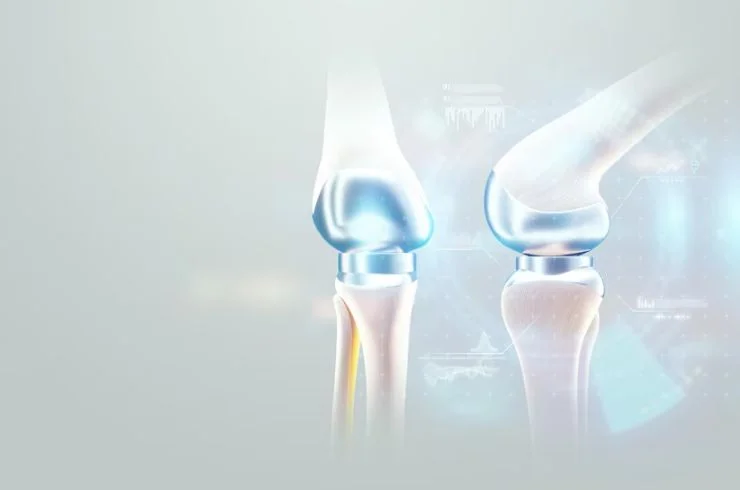
Joint replacement involves surgically replacing damaged joints in knees, shoulders, or hips with artificial components to relieve pain and restore function.
Labral repair surgically addresses tears in the labrum, restoring joint stability and reducing pain in the shoulder or hip.
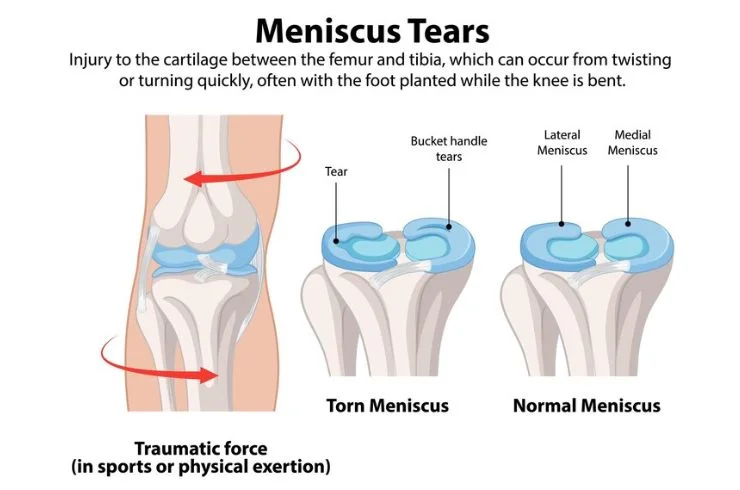
Meniscus repair surgically addresses meniscus tears in the knee, promoting healing and restoring joint function and stability.
Multiligament injury repair addresses several damaged ligaments in the knee, restoring stability and function for improved movement.
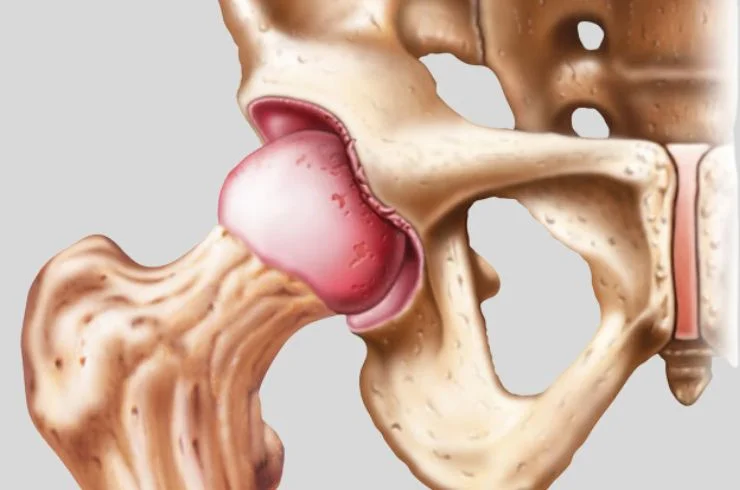
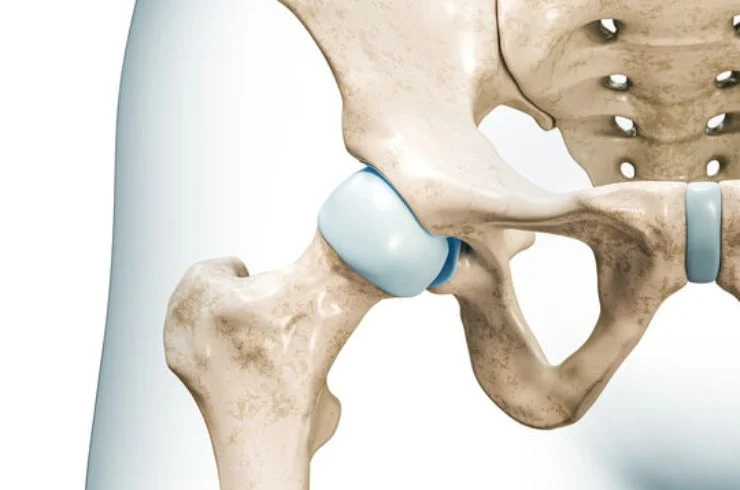
Pelvic acetabulum surgery corrects fractures or injuries to the hip socket, restoring proper alignment and joint function.
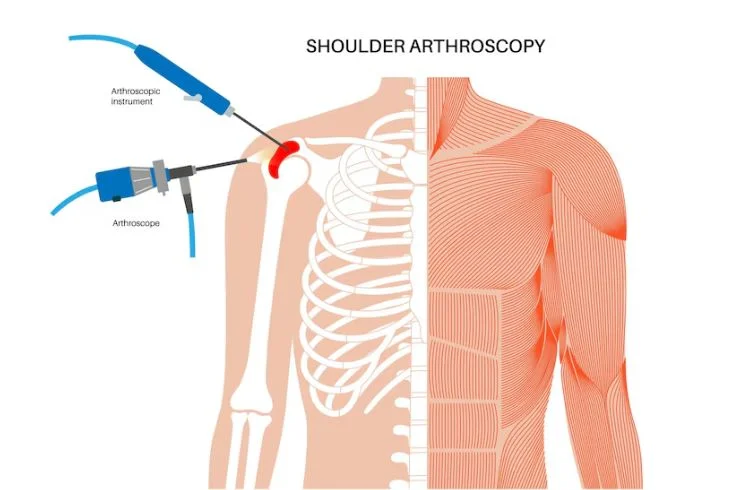
Shoulder instability surgery repairs damaged tissues around the shoulder joint, enhancing stability and reducing the risk of future dislocations.
Rotator cuff repair reattaches torn tendons in the shoulder, restoring mobility and strength while alleviating pain.
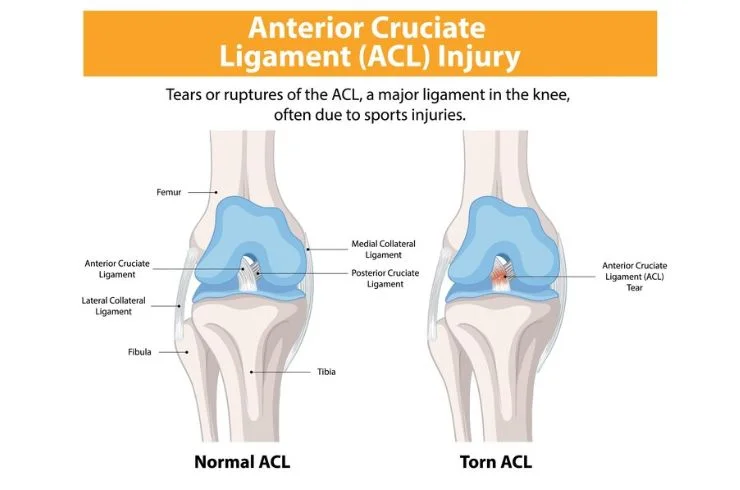
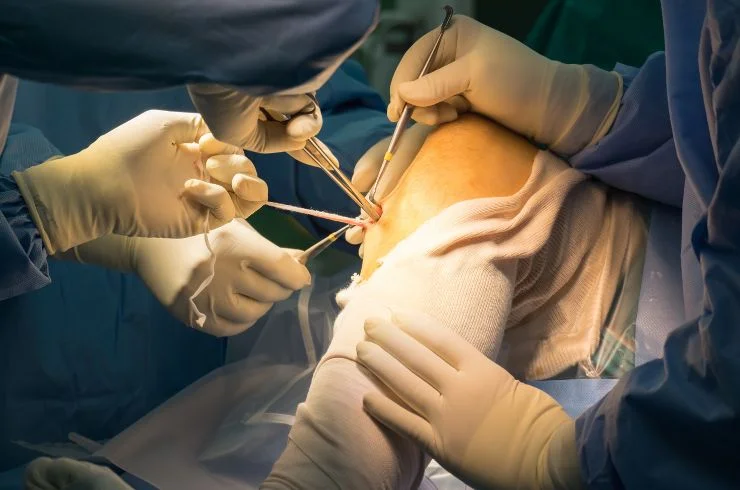
Primary ACL repair stitches a torn anterior cruciate ligament, aiming to restore knee stability and prevent further damage.
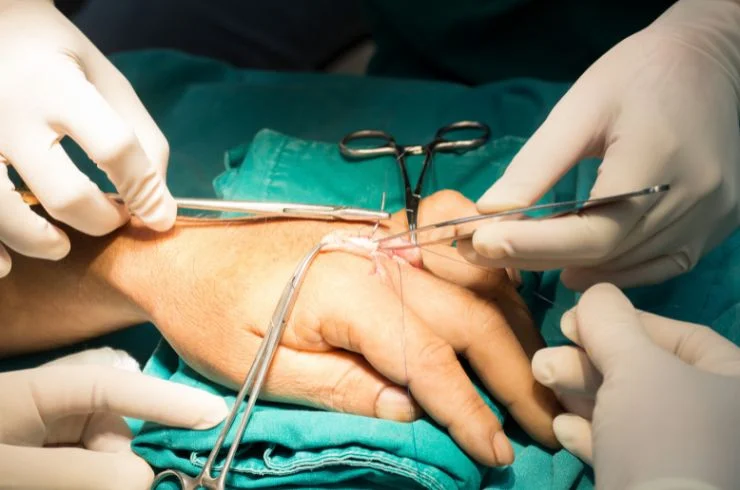
Tendon repair surgically fixes torn or damaged tendons, restoring function and strength to the affected muscles and joints.
ACL reconstruction surgically replaces a torn anterior cruciate ligament, restoring stability and function to the knee joint.
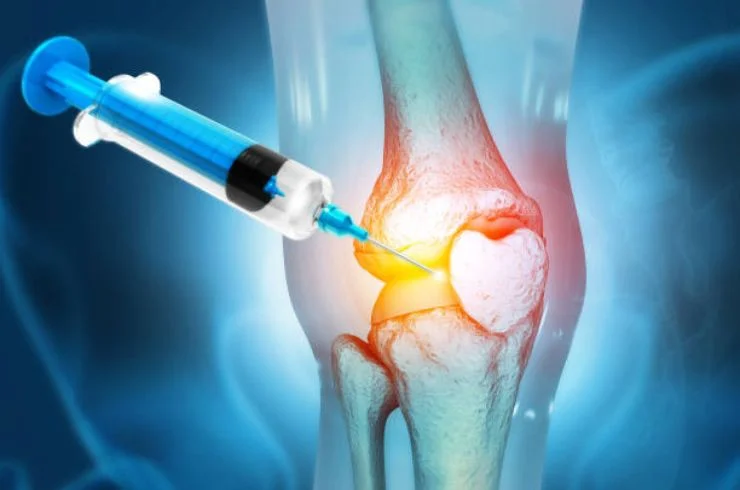
Cartilage restoration procedures aim to repair or regenerate damaged cartilage in joints, promoting pain relief and improving mobility.
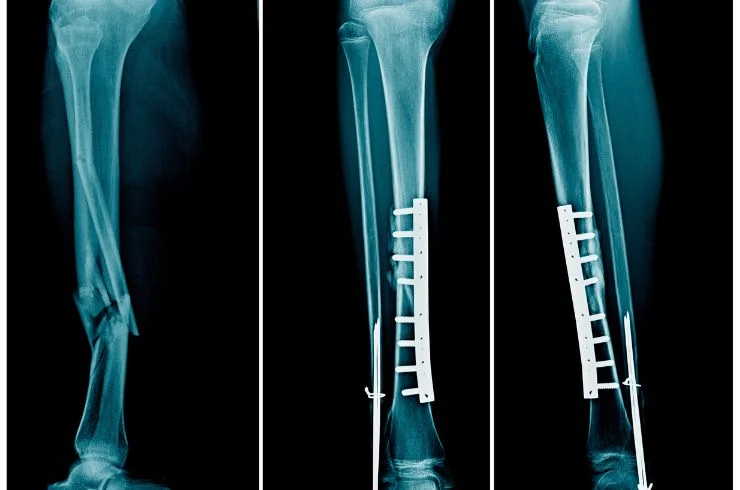
Fracture fixation surgically stabilizes broken bones using plates, screws, or rods to promote healing and restore normal function.